5 Questions to Ask When Evaluating Your Corporate Communications Environment

As enterprise communication becomes more visible, more frequent, and more global, many organizations are reevaluating the technology behind their most important messages.
Executive town halls. Investor updates. Global training broadcasts. Product announcements streamed across multiple locations.
Video communication is no longer occasional; it’s operational. Yet the technology supporting these moments often evolved from meeting platforms, temporary event setups, or vendor-driven production workflows that were never designed for ongoing, enterprise-scale communication.
As a result, communications teams frequently encounter the same challenges:
- Production quality varies from event to event
- High-visibility communications don’t always reflect the organization’s brand standards
- Critical broadcasts depend on external vendors
- Systems are difficult to scale across locations
- Internal teams struggle to produce content quickly
Organizations addressing these challenges are increasingly adopting broadcast AV environments designed specifically for corporate communication.
This checklist outlines five strategic questions corporate leaders should consider before building or upgrading a broadcast-capable communications environment.
Download This Checklist1. Does Your Current Environment Support the Importance of Video in Your Communication Strategy?

Video has become a primary way organizations communicate with employees, customers, and stakeholders.
Executive leadership relies on it to connect with distributed teams. Corporate communications teams use it to maintain message consistency. Marketing and product teams increasingly use video to support launches, announcements, and brand storytelling.
When communication depends on video at this level, the supporting environment becomes more than a collection of meeting tools, it becomes a production platform for enterprise communication.
Key consideration: How critical is video to your organization’s communication strategy?
2. Do Your Most Important Communications Reflect the Standard of Your Brand?

For enterprise organizations, how a message is delivered often shapes how it’s received.
Executive communications, investor events, training sessions, and global town halls are highly visible moments. The visual experience, presentation quality, and overall production environment become part of the audience’s perception of the organization itself.
Broadcast AV environments help ensure these moments consistently reflect the professionalism, clarity, and visual standards expected of world-class brands.
Key question: Do your current systems allow every high-visibility communication to meet the production standards your brand represents?
3. Can Your Environment Deliver Reliable, Broadcast-Level Production?

High-visibility broadcasts leave little room for technical distractions. Frozen feeds, audio issues, unstable connections, or last-minute workarounds can quickly undermine the credibility of an otherwise important message.
Broadcast AV environments are designed to deliver both professional production quality and dependable performance so internal teams can execute important communications with confidence.
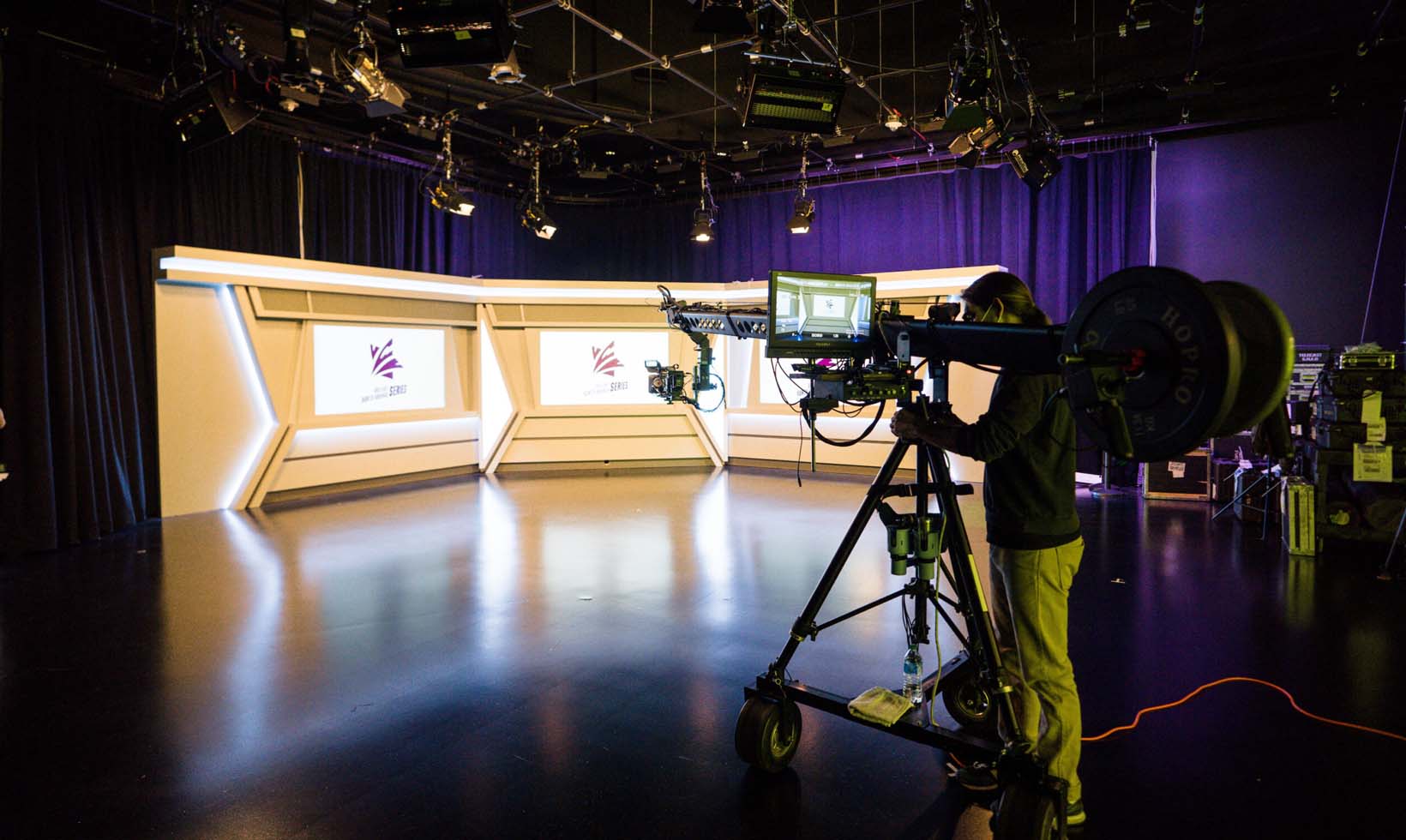
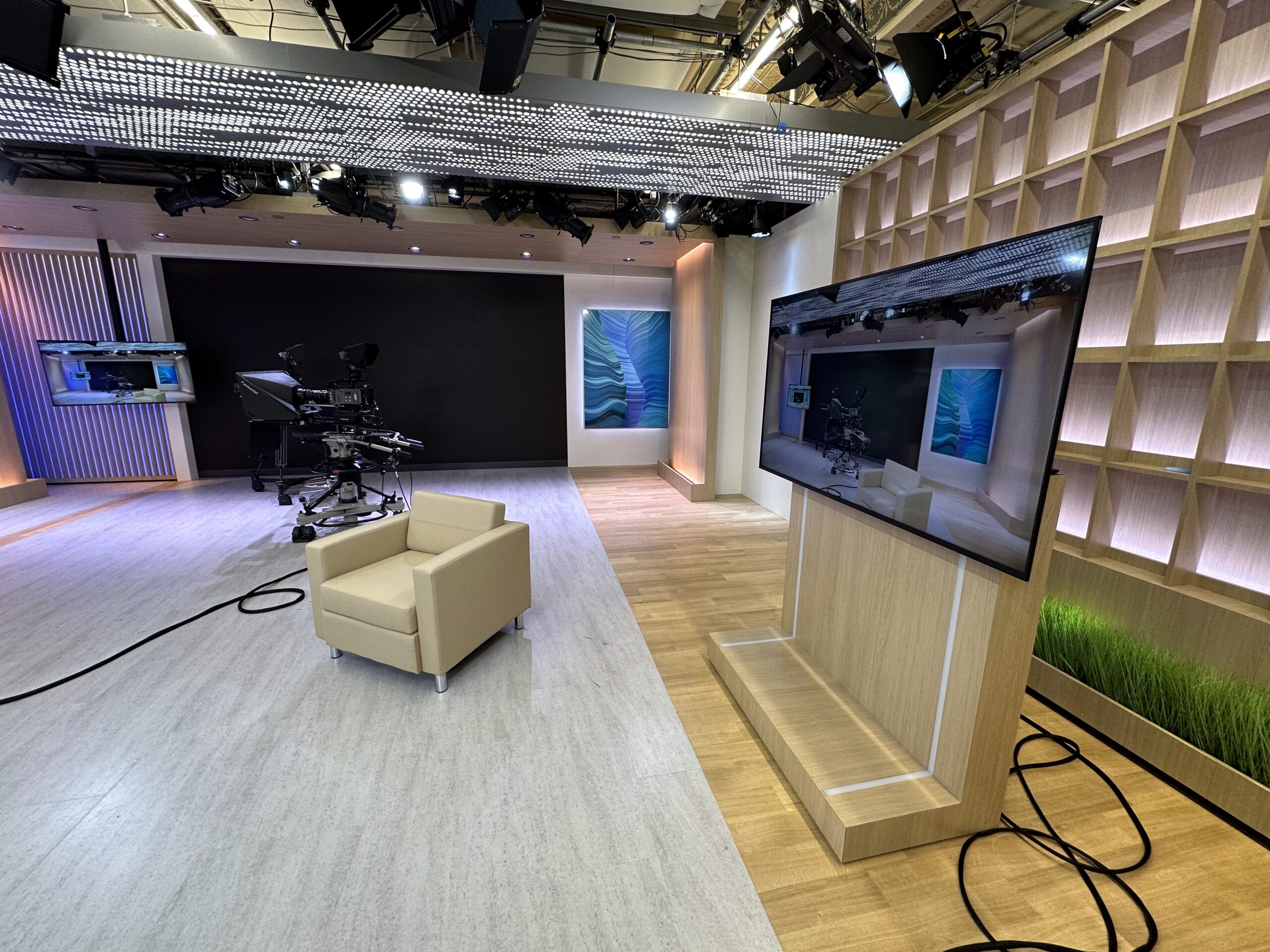
These environments bring capabilities such as multi-camera production, graphics integration, live switching, and structured production workflows into corporate settings in a way that teams can reliably operate.
Key question: Can your current environment support high-visibility broadcasts without introducing technical risk?
4. Can Your Teams Produce Professional Content Without Relying on External Vendors?

Many organizations depend on outside production vendors for their most important events.
While external expertise can be valuable, relying on vendors for every major communication often creates limitations:
- Slower production timelines
- Inconsistent workflows
- Higher long-term production costs
Organizations adopting Alpha’s enterprise broadcast AV environments often do so to bring production capability in-house, giving communications teams the ability to produce professional content whenever it’s needed.
Key question: Can your internal teams reliably produce the communications your organization depends on?
5. Is Your Communications Environment Designed to Scale as Needs Evolve?

Enterprise communications rarely remain static.
Organizations expand to new locations, leadership communication styles evolve, and audiences expect more engaging content formats.
Building a communications environment with scalability in mind helps organizations avoid repeated reinvestment as needs grow.
That means considering:
- Integration with existing IT infrastructure
- Cloud and hybrid production workflows
- Standardization across multiple locations
- Long-term support and system lifecycle planning
Key consideration: Is your current environment designed to evolve as communication demands grow?
What the Next Step Looks Like
Every organization approaches corporate communications differently.
Some are evaluating their first dedicated production studio. Others are modernizing existing environments to support hybrid audiences, global teams, or more frequent content production.
The most successful projects begin with a clear understanding of how communications, technology, and operational workflows intersect.
If your organization is exploring how broadcast AV can support enterprise communication, a short strategy conversation can help clarify the right approach.
Schedule a Strategy Conversation