Broadcast Equipment: The Link Between Education and Career Success

Your students need access to current industry equipment. Not in the future. Now.
Broadcast technology moves fast, yet many college programs still run on equipment from 10 years ago. Meanwhile, employers expect graduates to step into control rooms running the latest systems.
What does this mean for your program?
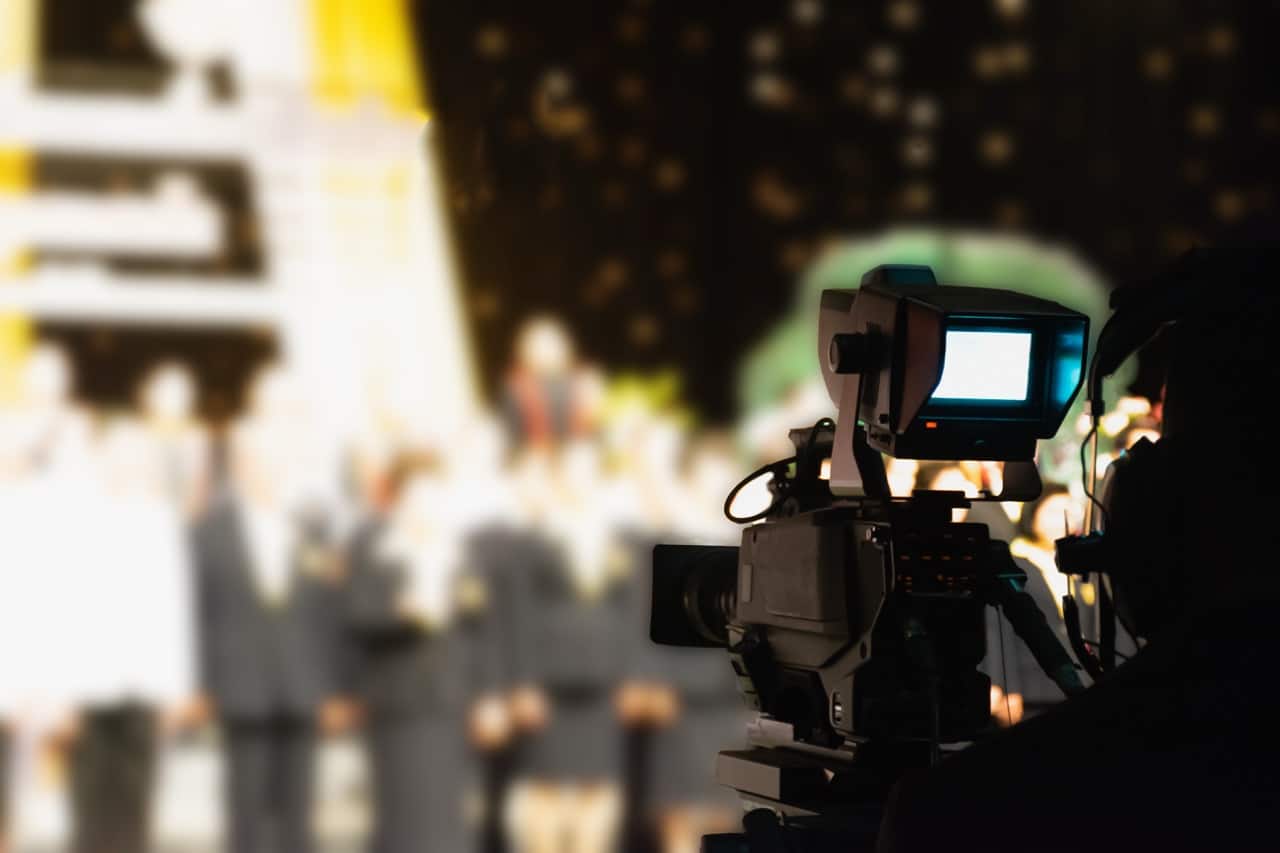
Member of an ESPN+ conference? Your students could move from practice sessions to streaming live events on a major platform. And it’s not just sports – your facility can support live performances, speaker series, campus events, and breaking news coverage.
The progression works:
- Students start with controlled practice runs
- Move to basic live productions
- Advance to handling complex broadcast demands
- Graduate ready for professional control rooms
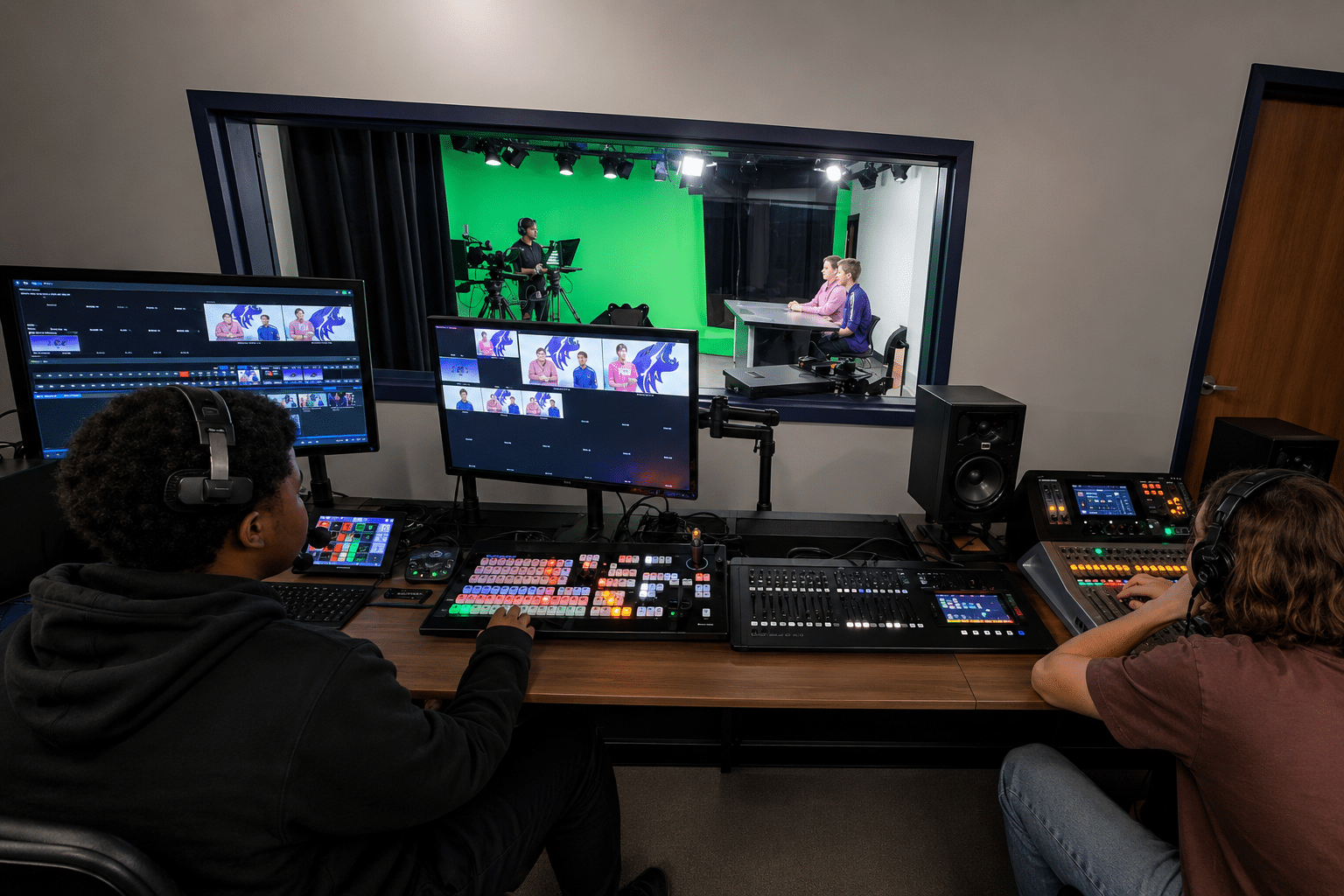
Modern broadcast equipment puts your students in real production scenarios. They’ll make quick decisions while managing multiple video sources, create graphics on tight deadlines, and solve technical issues in real-time. These hands-on experiences build the practical skills employers look for.

Current Industry Requirements
Control rooms now demand proficiency in:
- Modern 4k/HDR switcher systems
- Robotics camera operation
- Graphics creation tools
- Communications Systems
- IP based contribution and delivery
- Remote production capabilities

Making the Change
Start with these steps if you’re considering building a learning environment that supports your students in their journey from strong scholars to industry leaders:
- Assess Your Current Setup
- List all equipment and purchase dates
- Compare specs to industry standards
- Check maintenance records
- Review software versions
- Plan Your Updates
- Set priorities based on greatest needs
- Create a timeline for upgrades
- Build a realistic budget
- Consider lease options
- Measure Success
- Track student job placement
- Monitor certification completion
- Gather employer feedback
- Document production quality
Real Results
Taylor University partnered with Alpha to update their control room. Their students now work with the same equipment used by professionals. Read the case study here.
Next Steps for Your Program
Ask yourself:
- When did you last upgrade your main systems?
- Do your students learn about the equipment they’ll use in their first job?
- Can your facility handle current streaming demands?
- Does your technology match industry expectations?
The path forward starts with an equipment assessment. Your students deserve to learn on the tools that will shape their careers.
Want to see how your facility compares to current industry standards? Let’s talk about your program’s specific needs.